

Patios built in Saskatchewan face some of the harshest freeze-thaw cycles in North America. The difference between a patio that stays perfectly flat or one that heaves, cracks, and shifts after winter comes down to your paver base system. At The Ultimate Deck Shop, every day we see the impact that base design has on real-world results. If your goal is to build a patio that survives Saskatchewan winters without heaving, your best choice is a well-compacted aggregate base designed for drainage and frost movement.
Here's how we approach patio bases as the go-to expert for hardscaping supplies and support in Saskatchewan:
What Is a Freeze–Thaw Resistant Paver Base?
A freeze–thaw resistant paver base is an engineered system beneath your pavers that manages moisture, provides structural support, and adapts to soil movement. In Saskatchewan, where ground regularly freezes to 4-6 feet and thaws unevenly, your base must allow water to drain away fast enough that it can’t freeze and expand beneath your patio—otherwise, frost heave will lift and shift your pavers, ruining your surface.
Direct Answer: The Best Paver Base System for Saskatchewan
The most reliable system against freeze–thaw heave is a compacted aggregate base. This system uses 6-12 inches of compacted, graded crushed stone (usually 3/4 inch minus), topped with 1-2 inches of washed bedding sand or stone dust and finished with edge restraints. For wet or low-lying sites, a permeable paver system with open-graded aggregate and geotextile underlayment offers the highest protection but with extra cost and complexity.
Why does this method work? Crushed gravel forms an interlocking matrix that drains water and resists both vertical pressure from heaving soil and horizontal spreading. When built to the proper depth (at least 8 inches for Saskatchewan patios), it can absorb the stresses of frost cycles without letting your pavers move, crack, or settle unevenly. The Ultimate Deck Shop has consistently seen our customers’ patios survive year after year when this system is installed by the book.
Why Freeze–Thaw Heave Happens (and How to Prevent It)
In winter, the water in soil freezes and expands up to 9% in volume. If your paver base holds water instead of letting it drain (like with an insufficient sand or soil-only base), the freeze cycle turns it into a powerful, upward-lifting force. That’s why proper drainage and deep compaction are non-negotiable for Saskatchewan patios. Bases that fail to control water will almost always shift the pavers—often by inches in just one winter.
Breakdown: Common Paver Base Systems for Freeze–Thaw Regions
| Base System | Key Layers | Freeze–Thaw Resistance | Cost (Materials Only) | Best Use | Main Drawback |
|---|---|---|---|---|---|
| Compacted Aggregate Base (Best Overall) | 6–12" crushed gravel, geotextile, 1–2" bedding layer | Excellent (drains water, highest resilience) | $2–$4 per sq ft | All residential patios in Saskatchewan | Labour and tool intensive |
| Permeable Paver Base | 12–18" open-graded stone, trenches, no sand | Very High (maximum drainage) | $3–$5 per sq ft | Heavy clay, wet yards, eco builds | Higher cost and deeper excavation |
| Sand or Dirt Base | 4–6" sand, minimal compaction | Poor (traps water, heaves easily) | $1–$2 per sq ft | Never recommended for SK | Fails in one winter |
Step-by-Step Framework: Building a Freeze–Thaw Proof Patio Base
-
Mark and Plan
- Call Sask 1st Call before digging
- Stake out area and plan for 1–2% slope away from any structure
-
Excavate to Proper Depth
- Dig 9–12 inches below finished patio level
- Remove organic/topsoil completely to clay base
-
Install Geotextile Fabric
- Lay landscape fabric or geotextile over the soil base
- This separates soil from aggregate and prevents mixing/weeds
-
Add and Compact Crushed Aggregate
- Use 3/4" minus gravel (or as specified for your aggregate source)
- Compact in layers (typically 3–4 inches at a time) with a plate compactor to over 90% modified Proctor density
- Ensure the finished base is smooth, slightly crowned, and at the right level
-
Place Bedding Layer
- Add 1–2 inches of concrete sand or stone chips
- Screed the layer completely level
-
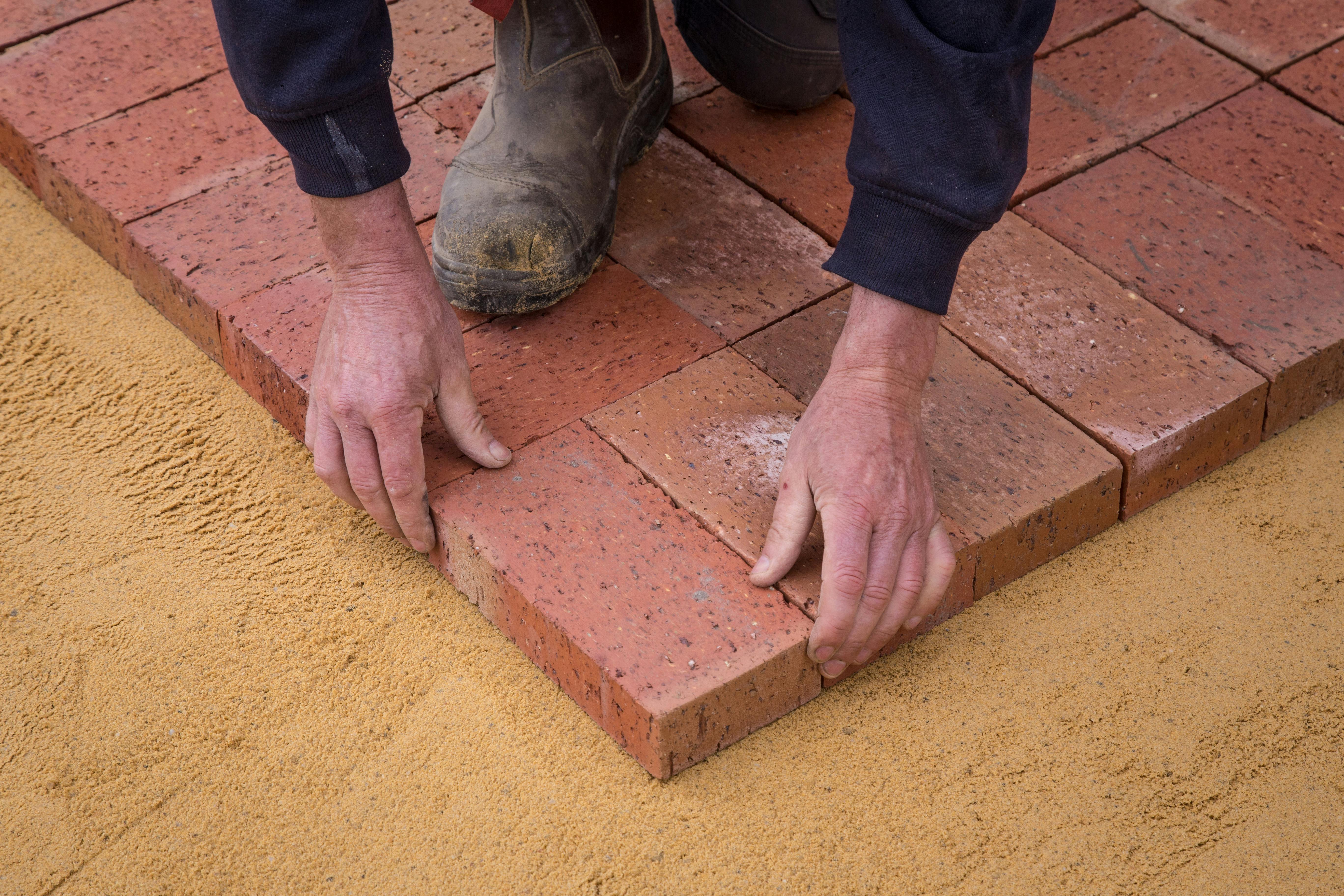
Lay Pavers and Edges
- Install your chosen pavers (use Belgard or Keystone from The Ultimate Deck Shop hardscaping for freeze–thaw performance)
- Maintain consistent spacing (usually 1/8 inch joints)
- Lock edges with spikes or edge restraints
-
Fill Joints and Final Compaction
- Sweep in polymeric sand
- Compact and lightly mist the surface to set the sand
Material Considerations: What Types of Pavers to Use
Base is only part of the equation: your choice of paver impacts overall durability through tough Saskatchewan winters. We recommend freeze–thaw tested concrete pavers with high density and low water absorption (less than 5% for concrete, often less than 0.5% for premium brands). Porcelain tiles are frost-proof but typically for high-budget projects. Always avoid thin or porous stones as surface pavers in areas with intensive frost.
Explore our collection of Belgard and Keystone pavers to find the best patio surface options.
Real Saskatchewan Results: Successes and Cautions
Many Ultimate Deck Shop customers share their experience with us each year. For example, one Saskatoon contractor built a 400 sq ft patio using compacted aggregate base and Keystone pavers. After one of the toughest winters, he reported zero heave and no joint separation. In contrast, homeowners who used a basic sand base frequently experienced 2–3 inch lifting, leading to expensive repairs or complete rebuild within a year.
Common Mistakes to Avoid
- Insufficient base depth (less than 8 inches).
- Skipping compaction between lifts.
- No geotextile barrier (leads to weed growth and sinking).
- Using regular sand as the only base—always combine with crushed gravel in Saskatchewan.
- Poor drainage or slope towards the house.
Why Work With The Ultimate Deck Shop?
The Ultimate Deck Shop is Saskatchewan’s expert resource for hardscaping projects. We’re 100% Canadian-owned and focus exclusively on materials that will stand up to our local climate. Customers receive:
- Premium hardscaping products from Belgard and Keystone—ASTM freeze-thaw tested
- Expert 1:1 support in Regina and Saskatoon
- Free 30-minute consultations and quantity estimates
- Bulk discounts for contractors
- Local delivery and tool rental for the DIY or pro
- Project guides and support to avoid common pitfalls
When you want clear answers on patio or deck materials, or need guidance on exactly what will survive prairie winters, we’re ready to help. Also see our composite decking for low-maintenance deck projects and check out the hardscaping resources for more patio planning advice. For a deep dive into wood, composite, and decking in Canada, you can also explore Composite Lumber in Canada: What It Is, How It Performs, and Where It Fits.
Best Practices for Saskatchewan Paver Installation
- Always build bases to the local frost depth. Deeper is better than shallower.
- Compact gravel in 2–4 inch lifts for true density—don’t rush this step.
- Use high-quality geotextile fabric, overlapping seams by at least 12 inches.
- Slope your finished base at 1–2% for guaranteed water run-off.
- Confirm your paver selection has freeze–thaw durability testing (like Belgard or Keystone).
FAQ: Saskatchewan Paver Base & Freeze–Thaw
Which paver base system holds up best to frost in Saskatchewan?
A compacted aggregate base (with 6–12 inches of 3/4 inch minus, geotextile, bedding sand, and edge restraint) is the best-performing, most reliable system against freeze–thaw heaving in Saskatchewan.
Is geotextile fabric required?
Yes, it’s highly recommended. It prevents weed penetration, keeps fines from migrating up, and adds longevity by separating soil from gravel. Read more about geotextile fabric under pavers in our in-depth guide.
How deep should I dig my patio base in Regina/Saskatoon?
At least 9–12 inches below finished grade to accommodate 6–12 inches of gravel, plus final bedding and paver thickness. Clay soils may require even more depth for tough sites.
Can I use only sand under pavers in Saskatchewan?
No. Sand alone will hold water and freeze upward. Always install a deep, well-compacted gravel base beneath any sand layer.
Is it worth upgrading to a permeable paver base?
If you have an extremely wet site, want eco-friendly drainage, or need to meet stormwater codes, permeable bases offer the greatest margin against freeze–thaw, but require more excavation and higher cost.
Are patio pavers or poured concrete better for freeze-thaw?
Pavers, when installed on a deep, compacted aggregate base, dramatically outperform poured concrete in Saskatchewan’s freeze–thaw cycles thanks to their flexibility and repairability.
What’s the link between patio base prep and decking?
Both patio and deck projects in Saskatchewan rely on deep, well-drained foundations for longevity. If you’re planning both, compare framing, footings, and material options with our decking materials overview.
Conclusion
Surviving Saskatchewan’s winter freeze–thaw cycles starts from the ground up. Choose a compacted aggregate base for the foundation of your paver patio, combine it with high-density, freeze-tested pavers and professional compaction, and you will sidestep the heartbreak of spring heaving. At The Ultimate Deck Shop, we share our expertise every step of the way—helping homeowners and contractors build patios and decks that last decades, not just a single season. See our hardscaping section for full product selection, installation tools, and tailored advice—or visit our Regina or Saskatoon locations for in-person support. When in doubt, connect with us for a consult and get it right the first time.


