

When you’re planning a backyard project in Saskatchewan, frost is not just a seasonal nuisance—it’s a primary design challenge. The constant freeze-thaw cycles and unpredictable prairie soils make the choice of foundation (helical piles vs. concrete footings) much more significant than most people think, especially if you want your deck, pergola, or fence to last more than a few years without shifting, cracking, or sagging. At The Ultimate Deck Shop, we’ve walked countless homeowners and contractors through this decision, and our prairie experience might save you costly headaches down the road.
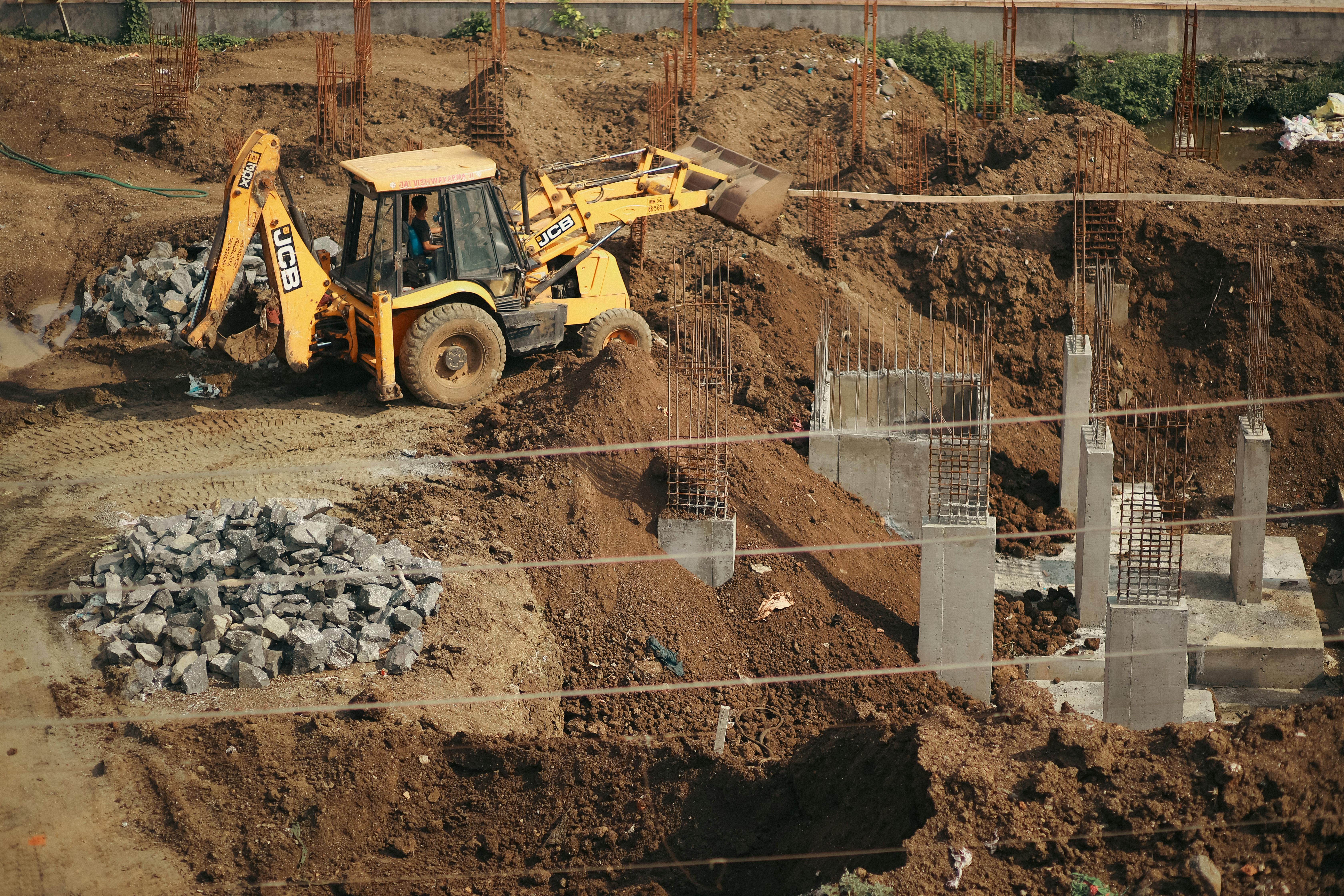
Frost and Saskatchewan Soils: Why Foundations Are So Challenging
Let’s start by making it clear—Saskatchewan winters are relentless. The ground can freeze to 6–8 feet deep, and the mix of clay, silt, and fill soils is anything but predictable. Frost heave is the process where freezing water in the soil expands and pushes anything above it upwards. When the spring thaw comes, the ground settles again, but not always perfectly—leading to slopes, cracks, and long-term movement.
Here’s What Goes Wrong Most Often:
- Footings installed above the real frost line will almost always heave and settle over time, especially in clay soil or fill lots.
- The more moisture that gets around your foundation, the worse the damage each cycle.
- Every freeze-thaw attack weakens both wood and concrete over the years.
How Concrete Footings Actually Perform in Saskatchewan
Traditional concrete footings for decks and other backyard structures are poured to the local building code frost depth—usually around 6 feet in southern Saskatchewan, sometimes deeper for commercial or heavier structures. This might sound like enough, but local experience tells a different story.
- Dependent on soil: If you’re building on sandy or undisturbed ground, concrete footings may perform well. But in heavy clay, fill, or backyards where water pools, the soil clings to the side of the tube and lifts it every winter.
- Settling and cracking: Small cracks allow water in, which then freezes, expands, and accelerates deterioration and movement. This leads to uneven decks, stuck stairs, or railings out of plumb by year five or ten.
- DIY pitfalls: Homeowners sometimes hit fill instead of native soil or don’t get to the full depth everywhere. One shallow footing can throw off the whole deck structure.
When Is Concrete Footing a Good Choice?
- Your project connects to a full basement wall or continuous concrete slab already below frost depth.
- Excavation is safe, access is no issue, and you are willing to wait for cure time and monitor moisture.
- You are okay with small, seasonal movements—or you’re building a low, ground-level structure where movement isn’t critical.
Why Helical Piles Excel in Prairie Winters
Helical piles (screw piles) are essentially giant galvanized steel screws that torque into the earth until they reach solid, undisturbed soil well below the active frost zone. What sets them apart is the real-time feedback during install—if the installer hasn’t hit enough torque, they keep going deeper until they find stable ground.
- Bypass frost: The helical plates go far below where frost can affect them, so even as upper soil freezes and moves, the base stays anchored.
- Immediate load bearing: Once in place, framing can start the same day. No waiting for concrete to cure. This is invaluable for winter or tight project schedules.
- Year-round convenience: Helical piles can be installed even when the ground surface is frozen. No forms, no mud, no spoil pile to haul away.
- Reduced soil disturbance: Minimal digging means less likelihood of water pooling or new fill settling as years go by.
- Great for variable soil conditions: Especially in new subdivisions or infill lots where the historic ground may not be uniform.

Typical Helical Pile Installation Steps
- Pile location and depth are set by building code and site needs.
- Piles are mechanically screwed in while monitoring torque to determine bearing capacity.
- Adjusting brackets or saddles connect to wood or steel beams at the correct finished grade.
- Engineer documentation proves requirements were met.
Side-by-Side: Helical Piles and Concrete Footings Comparison
| Feature | Helical Piles | Concrete Footings |
|---|---|---|
| Installed Depth | Beneath frost line, often deeper | To local frost line, may vary |
| Frost Heave Risk | Very Low | Moderate to High |
| Soil Disturbance | Minimal | Significant |
| Installation Season | Year-round | Limited by ground and temperature |
| Immediate Building | Yes | No (requires cure time) |
| Movement Over Time | Low if properly installed | Likely if soil/fill is variable |
Cost, Schedule, and Practical Considerations
Often, concrete seems cheaper at first glance, but the real cost includes digging (by hand or auger), hauling away soil, buying and mixing concrete, forming, and sometimes heat or insulation for cold-weather pours. Helical piles usually cost more per pile (frequently ranging from $250 to $400 installed depending on depth and engineering needed), but installation is done in hours and you start building right away. When you factor in the risk of repairs, replacements, and deck adjustments down the road, we’ve found the price-to-performance ratio strongly favours helical piles for most residential decks, especially those using premium decking materials.
How Your Decking Choice and Foundation Need to Work Together
It’s tempting to choose a lower-cost footing and spend more on composite decking, railing upgrades, or privacy walls. But in the Prairies, that can be a false economy—especially because the lifespan of composite and PVC deck boards is 25–30+ years. We’ve seen too often that a beautiful deck surface atop moving footings leads to expensive repairs.
Matching long-lasting decking materials with frost-resistant, stable foundation systems gives you a complete structure that truly lasts as advertised, without unexpected maintenance.
Want More on Deck Framing and Foundation Design?
- If your project is in Regina or Saskatoon and you want step-by-step help, our deck beam sizing guide can help frame your plans.
- For comparing waterproofing (protecting your frame once your footings are solid), see our deck frame protection post.
Real-World Scenarios from Saskatchewan
Heavy Clay Backyard in Regina — Decks built on concrete footings here almost always show seasonal movement. Even if you dig to code, the clay surrounding the tube pulls it upwards each winter. By contrast, properly torqued helical piles anchor below the most active clay, leaving upper soil free to shift without dragging the deck structure with it.
New Subdivision Lot — New builds sometimes sit on compacted fill that isn’t as stable as native soil. Concrete footings can settle unevenly by a few inches, especially if one hits a soft patch. Helical piles cut right through any fill, anchoring on stable subsoil, so your deck stays true season after season.

When Concrete Might Still Be the Right Call
- If your deck connects directly to a deep continuous concrete foundation like a full basement wall or frost wall, it does make sense to tie into concrete.
- Heavier structures (detached garages, house additions) may require engineered concrete, sometimes combined with piles for extra security.
For typical backyard decks, pergolas, and fences: helical piles nearly always outperform concrete for resisting frost heave and seasonal movement.
Pro Tips Before You Decide
- Get your local code frost depth. It varies around Saskatchewan.
- Always ask for install documentation and torque logs if you choose helical piles.
- If building in winter, helical piles let you skip cure times and get a jump on your project.
- If you’re unsure about your soil, consult someone with prairie-specific experience—knowing your ground is critical.
Bring It All Together: Long-Term Value and Peace of Mind
The upfront investment in a foundation that stands up to Saskatchewan winters saves you stress, labour, and expense later on. We’ve seen too many beautiful decks ruined not by bad design, but by frost heave and footings that did not match what our climate delivers. Regardless of your deck size, budget or future plans, pairing the right footing with quality decking materials and a smart design delivers true peace of mind for years to come.
If you’re looking for professional input, a free quote, or materials to match your foundation and deck surface, we’re here to help guide you—online, by phone, or in our Regina and Saskatoon shops. Discover more about frost-proof choices, bring us your yard photos, and let’s build a deck that never gives frost a second thought.


